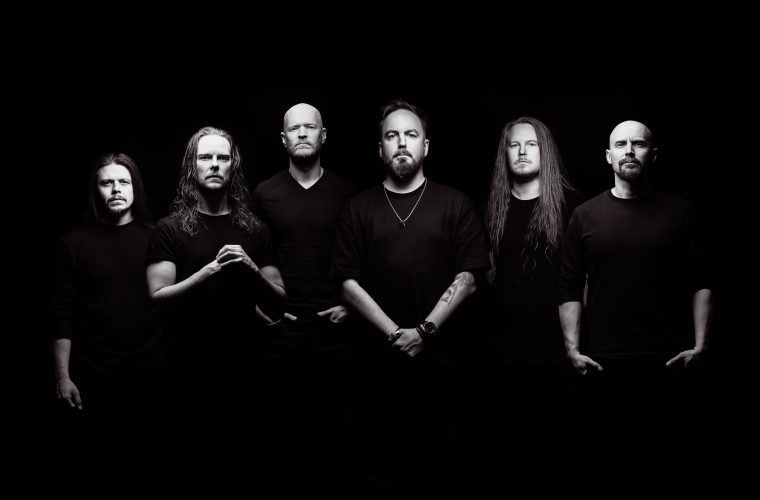
Coroner kicked things off in Zürich back in 1985 and quickly built a reputation as one of underground metal’s most forward-thinking and technically ferocious bands. With Ron Broder on bass and vocals, Tommy Vetterli on guitar, and Marky Edelmann on drums, the trio put out five critically praised records and a semi-compilation between 1987 and 1994, each one dragging thrash metal further into innovative, more experimental territory.
The albums they released on Noise Records didn’t just push the genre’s limits. They dismantled them and put something sharper in their place. Even now, those albums are considered cult staples. You could say they laid the groundwork for what progressive metal became:
• R.I.P. (1987)
• Punishment for Decadence (1988)
• No More Color (1989)
• Mental Vortex (1991) • Grin (1993)
• Coroner (1994 | self‑titled semi‑compilation)
Coroner’s sound has always lived at the edges. It’s a collision of speed, structure, and control. Built on thrash, their music pulled in classical form, avant‑garde twists, jazz complexity, and the cold mechanics of industrial metal. Every piece was delivered with pinpoint precision and Ron Broder’s unmistakable vocal grit.
Often called “the Rush of thrash metal,” Coroner, along with bands like Voivod and Watchtower, helped shape what would later be known as technical and progressive thrash. With each release, their sound pushed further. By the time No More Color, Mental Vortex, and Grin hit, things had grown sharper. The production became tighter, the arrangements more offbeat, and the sound had drifted far outside any genre map.
That influence stuck around. From major players in metal to offbeat experimental types, generations have taken something from their no‑rules, no‑compromise approach. For a lot of people, Coroner weren’t just ahead of their time. They were the reason to start thinking differently about what metal could even be.
The band stepped away in 1996 and disappeared from the spotlight. But when they came back in 2011, it wasn’t to rehash the past. They had unfinished business. Marky Edelmann bowed out after the early reunion shows, and longtime live partner Diego Rapacchietti stepped behind the kit, reigniting the band’s rhythmic core.